

Where Are Ford Vehicles Made?
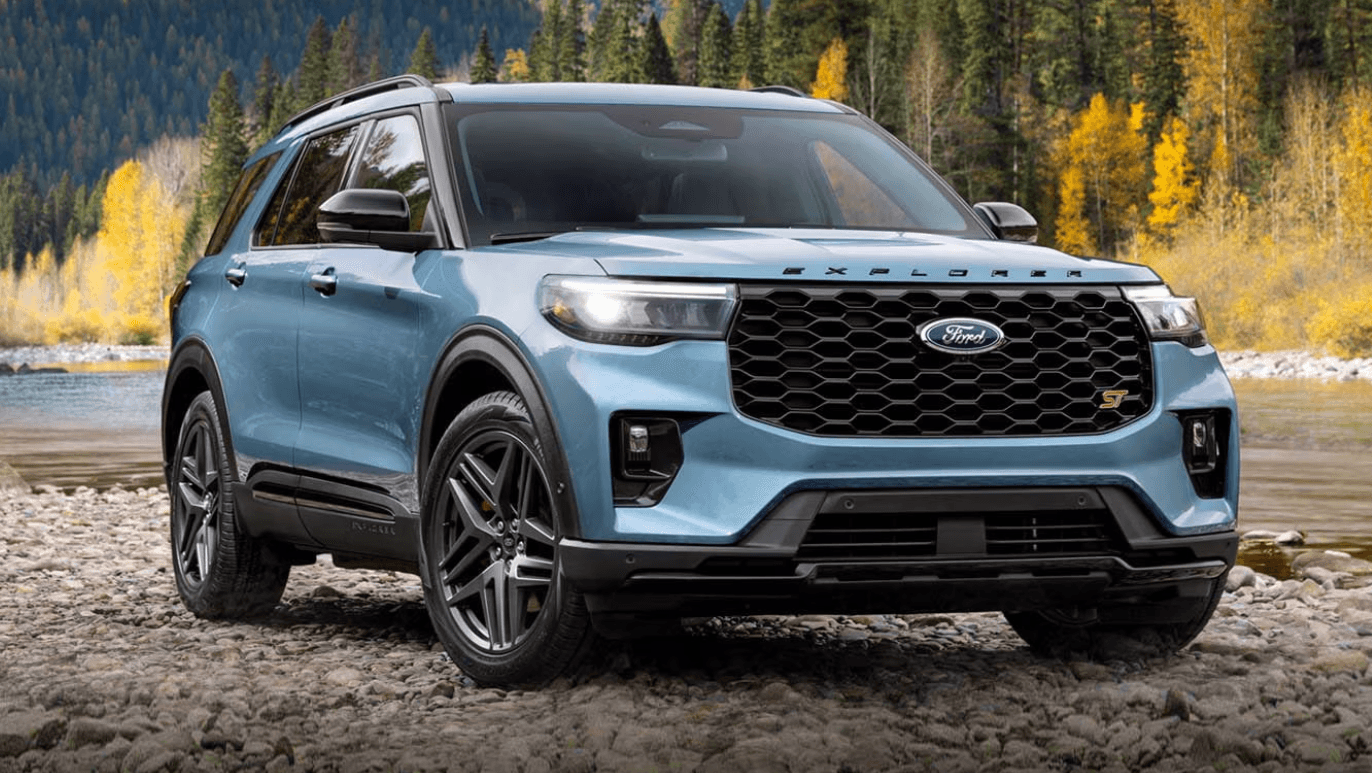
Have you ever wondered where Ford vehicles are made? With such a wide range of models and a presence in just about every part of the globe, it’s a fair question. Whether you’re looking for a new F-150 or a car in Ford’s growing electric lineup, knowing where your vehicle comes from gives you a better sense of the production process. Let’s break this down and take a look at Ford’s manufacturing journey — from its American roots to its growing global footprint.
Discovering Ford’s Origins
Ford has been building vehicles for over a century in various locations, including America, Europe, South America, and Asia.
Ford’s Global Manufacturing Network
Ford has several manufacturing and assembly plants worldwide. They operate their own facilities and in joint ventures. This allows them to respond quickly to customer needs, adjust to local preferences, and stay competitive in the changing car market.
The Importance of Knowing a Vehicle’s Manufacturing Origin
Knowing where a car was made can tell you quite a bit about its features. U.S.-built cars tend to have different specs than European or Asian cars. You may see changes in the safety features, tech availability, or even interior materials, depending on where they’re produced. It also matters to many buyers whether a vehicle supports domestic jobs and uses local components.
Major Ford Manufacturing Plants in the U.S.
Ford has several manufacturing plants in the U.S., playing an important role in building the brand’s legacy.
The Role of U.S. Plants in Ford’s Production Lineup
Ford’s American facilities include the following:
- Dearborn Truck Plant — Michigan: Produces the F-150 and the Raptor
- Kansas City Assembly Plant — Missouri: Builds the Transit van and some F-150 models
- Chicago Assembly Plant — Illinois: Makes the Ford Explorer and Lincoln Aviator
- Louisville Assembly Plant — Kentucky: Produces the Escape and Lincoln Corsair
Where in the U.S. Is Ford’s Biggest Plant?
The Kansas City Assembly Plant is Ford’s largest in terms of employment and output. Sitting on more than 1,200 acres, this Missouri facility builds a massive number of F-Series trucks and Transit vans.
International Ford Manufacturing Locations
Outside the U.S., Ford has factories in the following countries:
- Germany: Produces the Focus and Fiesta models
- Spain: Assembles the Transit Connect and Kuga
- Turkey: Specializes in commercial vehicles at the Ford Otosan Plant
- China: Multiple plants handle local sedan and SUV production
- India: Though recently scaled back, it was once a major export hub
- Argentina: Key player in Ford’s South American lineup
Ford continues to expand into emerging markets. It has numerous joint ventures with China that allows the company to work with local partners who know the market well. This helps Ford learn faster and make cars that better match the preferences of Chinese customers. India had been a focus for years, but recent restructuring has led Ford to pause production while maintaining support operations there.
Spotlight on Specific International Plants
Ford has various significant international manufacturing centers.
European Manufacturing Facilities
Germany’s Cologne plant is one of Ford’s oldest and most advanced in Europe. The Valencia plant in Spain plays a big role in making cars such as the Transit Connect and Kuga.
Asia Pacific Manufacturing Hubs
In China, Changan Ford handles a huge portion of production, manufacturing models such as the Focus and Mondeo to suit the demands of the Chinese market. Thailand’s AutoAlliance plant is vital for Ranger production.
South American Production Centers
Argentina’s Pacheco plant plays a vital role in Ford Focus and Ranger truck production across Latin America. Ford facilities in Brazil were shut down in 2021 after over a hundred years of operation due to an extended period of slow sales and decreasing profits.
The Evolution of Ford Manufacturing Facilities
Ford has been reshuffling to match changing markets and tech needs. It’s invested heavily in electric vehicles, which means new facilities and retooling of older ones.
Investments in Modernizing Facilities
One of the biggest projects on Ford’s radar is BlueOval City in Tennessee. It’s a multi-billion-dollar facility that’ll anchor the company’s electric vehicle production in the U.S.
Sustainability Practices at Ford Plants
Ford is also serious about reducing its environmental impact by using renewable energy, recycling materials, and minimizing waste. The company aims to be carbon neutral globally by 2050.
The Future of Ford Manufacturing
Besides BlueOval City, Ford is also investing in a Kentucky battery plant in collaboration with BlueOval SK. These steps are part of the company’s plan to lead the next era of mobility.
The Shift Toward Electric Vehicle Production
Ford’s lineup is evolving quickly, as evidenced by the Mustang Mach-E, F-150 Lightning, and electric Explorer — only in Europe. Ford is also implementing the infrastructure to keep up.
Innovations in Automotive Manufacturing Processes
From 3D printing to artificial intelligence-driven quality control, Ford is introducing new tools to make manufacturing smarter and more efficient.
Former Ford Manufacturing Sites and Their Historical Significance
As with any automaker with an extensive history, Ford has lost some plants to closure or relocation. Examples are the Twin Cities Assembly Plant in Minnesota and the Genk plant in Belgium, among others. Both played important roles in their respective eras and added to Ford’s legacy. They contributed to modern-day car manufacturing and created procedures that Ford still follows today.
Visit Planet Ford Dallas Today
Ford offers a consistent commitment to quality, innovation, and the people behind the process. Whether it’s rolling out of Michigan or Valencia, you can rest assured your Ford was built with care. If you’re in Dallas, Texas, contact us today to schedule a test-drive of your ideal Ford model and be part of this great American heritage.
0 comment(s) so far on Where Are Ford Vehicles Made?