

How to Prepare Your Ford Truck for Weekend Adventures
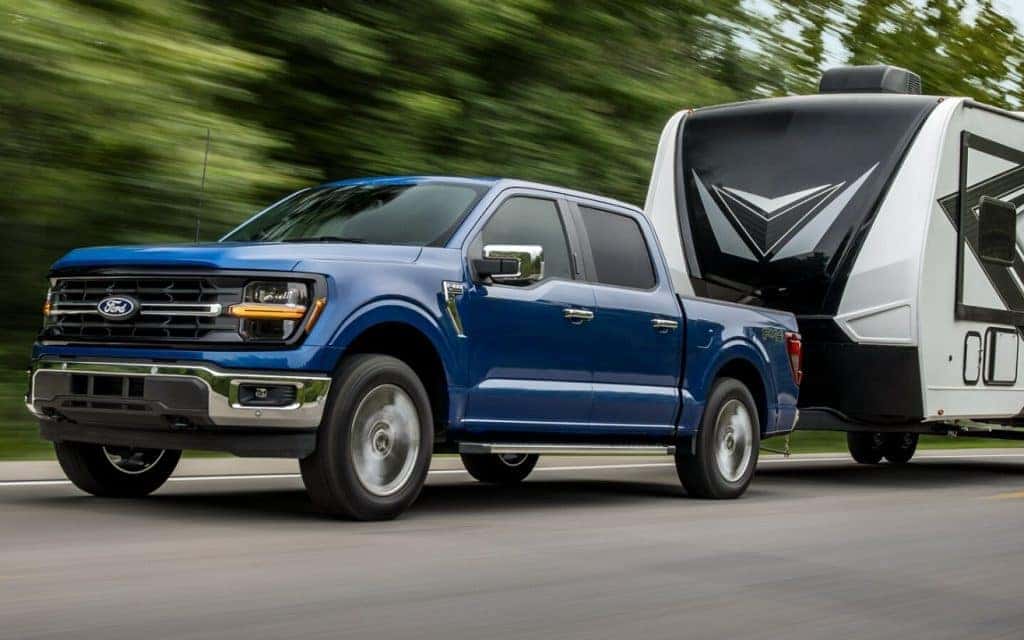
A great weekend trip starts long before you hit the highway. Whether you’re hauling a camper into the Hill Country, running a muddy trail in East Texas, or loading up the bed for a fishing trip, preparing your Ford truck the right way keeps your gear protected and your plans on track. Our service center at Planet Ford Dallas is here to help Dallas-area truck owners do exactly that.
Why Prepping Your Ford Truck Before the Weekend Matters
Skipping pre-trip prep is one of the most common mistakes truck owners make. A truck that handles the daily Dallas commute without complaint faces a completely different set of demands on the trail or towing a loaded camper. Off-roading and long towing runs put pressure on systems that city driving barely touches. A focused inspection catches small issues before they become expensive problems far from home.
Essential Pre-Trip Maintenance Checks
Before you hitch up a trailer or throw anything in the bed, walk through the key mechanical systems. A focused inspection gives you a clear picture of where your truck stands before departure.
Tires, Fluids, and Battery
Start with tires. The recommended PSI is on the driver’s door jamb. Check it cold and adjust before loading. For off-road use, airing down to around 20-25 PSI improves traction on loose terrain, but Ford’s TPMS will alert you once you drop below threshold, so plan to reset it and reinflate before returning to pavement. Check tread depth using a penny test: if you can see all of Lincoln’s head, replace the tires before any serious trip.
Fluid levels matter more under stress. Engine oil and coolant are obvious, but transmission fluid, transfer case fluid, and differential fluid all take a beating when you’re towing or wheeling. Low coolant invites overheating on a summer tow. Low brake fluid can signal worn pads or a developing leak. Check all of them, not just the easy ones. If your battery is more than three years old, have it tested before a long trip.
Brakes, Lights, and 4WD System
Worn pads or warped rotors that seem manageable during normal driving can turn dangerous under a full load. Listen for squealing or grinding, check for pulling to one side, and inspect pad thickness if you can. Don’t put this off if you’re planning to tow.
Verify all exterior lights, including brake lights, turn signals, and trailer connections. Then test your 4WD system. Shift through 4WD Auto, 4WD High, and 4WD Low before you leave. If your truck has Trail Control, engage it on a safe stretch to confirm it’s functioning. Finding out your 4WD isn’t working when you’re axle-deep in mud is the wrong time to troubleshoot.
If you want a professional set of eyes on all of this, schedule a pre-trip inspection with our team before your next departure.
Must-Have Accessories for Weekend Adventures
Once the mechanicals check out, the right accessories make your truck a capable, organized rig. Ford trucks are designed to be customized, and using Ford genuine parts and accessories ensures everything fits and functions as intended.
Bed Covers, Racks, and Storage Solutions
A tonneau or folding bed cover protects gear from rain, cuts aerodynamic drag at highway speeds, and keeps dust out on dirt roads. For oversized cargo like kayaks or bikes, a bed-mounted rack adds carrying capacity without sacrificing covered storage below. Inside the bed, a lockable toolbox keeps tools and recovery gear dry and secure.
Off-Road and Recovery Gear
For any trip involving dirt roads or technical terrain, a kinetic recovery rope rated for your truck’s weight is worth carrying. Traction boards handle mud and sand scenarios where tires just spin; a portable air compressor lets you air down for the trail and reinflate before you get back on pavement. Add a hi-lift jack for situations where a standard jack won’t reach. These items take up little space and cover scenarios that can otherwise strand you miles from help.
How to Maximize Your Truck’s Cargo Space
Distribute weight evenly across the bed, keeping heavier items low and centered over the axles. Heavy coolers and fuel cans should sit near the cab, lighter gear toward the tailgate. Vertical space is often wasted: bed racks and cargo bins let you carry more without crowding the floor. Soft-sided bags conform to irregular spaces better than rigid containers, making them ideal for clothing and sleeping gear.
Pre-Departure Checklist
Mechanical checks before you leave:
- Tire pressure set to door jamb spec (or adjusted for off-road use)
- Tread depth checked with penny test
- Engine oil, coolant, brake fluid, transmission fluid, transfer case fluid, and differential fluid at proper levels
- Battery tested (especially if 3+ years old)
- Brakes inspected for wear, noise, or pull
- All exterior lights and trailer connections functional
- 4WD system and Trail Control tested before departure
Cargo and gear to load:
- Heaviest items loaded low and centered over axles
- Bed secured with tie-downs or a bed cover
- Recovery kit packed: traction boards, kinetic recovery rope, portable air compressor, hi-lift jack
- Basic repair supplies: duct tape, zip ties, extra fuses, spare belt, hand tools
- Paper or downloaded offline maps for areas with limited cell service
Safety items for the cab:
- First aid kit, easily accessible
- Flashlight and extra batteries
- Prescription medications and personal essentials
- Fully charged phone and a backup power bank
Getting the Most Out of Your Towing Capacity
Ford’s towing capacity varies significantly by model, engine, and trailer package. The F-150 can tow up to 13,500 lbs in certain configurations, while properly equipped F-250 and F-350 Super Duty trucks reach well beyond that. Before hitching up, check your specific configuration’s rating in the owner’s manual.
Tongue weight is a frequent source of confusion. Total trailer weight is what the entire rig weighs. Tongue weight is the downward force the trailer hitch places on the truck, and for conventional towing it should generally fall between 10% and 15% of the total trailer weight, though this can vary depending on trailer design, load distribution, and towing conditions. Too little causes trailer sway. Too much strains the rear suspension and reduces front-end steering response.
Use a weight-distribution hitch for heavier loads, calibrate the trailer brake controller if your trailer has its own brakes, and take advantage of Pro Trailer Backup Assist if your F-150 is equipped with it. Practice backing into tight campsites or boat ramps before you arrive. AdvanceTrac with Trailer Sway Control adds another layer of stability on the road, but proper weight distribution is still your first line of defense.
What to Pack for the Trail or Campsite
A first aid kit rides in the cab, always. Include any prescription medications, extra batteries, a flashlight, and a multi-tool. For cooking at camp, a compact stove and good cooler take up less space than you’d expect, and reusable cookware packs down surprisingly small. A folding table and a couple of camp chairs are worth the room they take up in the bed.
For trail use, tuck basic repair supplies in the toolbox: duct tape, zip ties, extra fuses, a spare belt, and basic hand tools. Download offline maps for your route before leaving Dallas. Cell service disappears fast once you’re on back roads.
Let Planet Ford Dallas Help You Get Road-Ready
Your Pre-Trip Service Partner
Planet Ford Dallas has been serving Dallas-area truck owners for over 35 years. Our service team handles pre-trip inspections, fluid services, brake checks, and tire work so your truck is ready before you load up. If you’re heading out soon, now is the right time to get everything confirmed.
Schedule Your Appointment
Visit us at 3333 Inwood Rd, Dallas, call (214) 296-4416, or contact us online to book your appointment. Our service department is open Monday through Friday from 7:00 AM to 6:00 PM and Saturday from 7:00 AM to 1:00 PM. The trail will be there. Make sure your truck is ready for it.
