
Ford’s 2.7L V6 EcoBoost Engine: Specs, Features, and Vehicles
Few engines in Ford’s modern lineup have earned as much respect as the 2.7L V6 EcoBoost. Drivers who tow regularly, take their trucks off-road, or simply want strong performance without a V8’s fuel consumption have gravitated toward it for good reason. It delivers real capability without punishing you at the pump, which is exactly what truck and SUV buyers want.
What Is the Ford 2.7L V6 EcoBoost Engine?
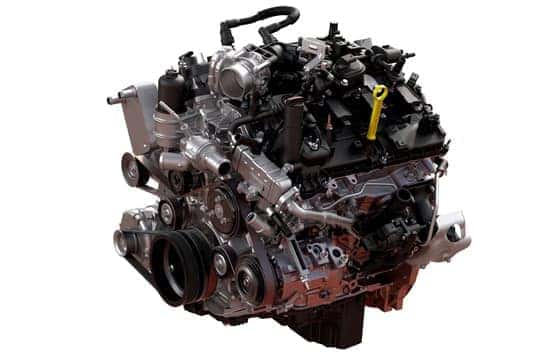
The 2.7L EcoBoost is a twin-turbocharged, direct-injected V6 developed by Ford Motor Company, with six cylinders arranged in a V-shaped configuration. The “EcoBoost” name reflects the dual focus: boosted performance through turbocharging and improved fuel economy through advanced engineering.
What separates it from a conventional V6 is the twin-turbo setup paired with a sophisticated fuel delivery system. Together, those two systems produce output figures that once required much larger engines, making it a strong choice for truck and SUV buyers who want real capability without committing to a V8.
A Brief History of the 2.7L EcoBoost: From First to Second Generation
Ford introduced the first-generation 2.7L EcoBoost in the 2015 F-150, delivering 325 hp and 375 lb-ft of torque. Early owners responded well, praising the torque delivery and towing capability relative to the engine’s size.
In 2018, Ford released a thoroughly redesigned second-generation engine. Key improvements included port fuel injection alongside direct injection, a compacted graphite iron block for better structural rigidity, improved thermal management, and pairing with Ford’s 10-speed automatic transmission. Torque in the F-150 climbed to 400 lb-ft in this generation, a clear step forward in both performance and durability.
Key Specs and Engineering Features of the 2.7L V6 EcoBoost
Power Output and Performance Highlights
Output varies by vehicle and application:
- F-150 (2015–2017): 325 hp, 375 lb-ft of torque
- F-150 (2018+, Gen 2): 325 hp, 400 lb-ft of torque
- Ford Edge ST: 335 hp, 380 lb-ft of torque
- Ford Bronco: 315 hp, 410 lb-ft of torque (330 hp and 415 lb-ft on premium fuel)
The engine runs a 10.3:1 compression ratio with a redline around 6,000 rpm. Towing capacity in the F-150 reaches up to 8,400 pounds in certain configurations, which handles most light-to-medium duty hauling.
Twin-Turbo Design and Injection Technology
The twin-turbo configuration uses two smaller turbochargers instead of one large unit. That approach reduces turbo lag, the brief hesitation before boost builds, so throttle response feels sharper both on the road and on the trail.
The second-generation engine introduced a dual fuel injection system combining port injection and direct injection. Direct injection delivers fuel precisely into the combustion chamber for efficiency and power. Port injection helps keep intake valves clean, addressing the carbon buildup that was a known issue with earlier direct-injection-only designs.
Additional features include an auto start-stop system to reduce idle fuel consumption and a variable displacement oil pump that adjusts based on demand. The compacted graphite iron cylinder block, a material stronger and more heat-resistant than standard cast iron, improves long-term structural integrity under sustained load.
Which Ford Vehicles Come with the 2.7L V6 EcoBoost?
The 2.7L EcoBoost has found a home in a wide range of Ford and Lincoln vehicles, making it one of the more versatile engines in the Ford Motor Company lineup. Browse our new Ford inventory at Planet Ford Dallas to check current availability.
Current and recent applications include:
- Ford F-150 (standard on 2024 and newer; available on earlier model years)
- Ford Bronco (standard on the Stroppe Edition; available on other trims for 2025–2026)
- Ford Edge ST (standard)
- Ford Ranger (available on XLT and Lariat trims starting 2025)
- Ford Edge Sport (discontinued)
- Ford Fusion Sport (2017–2019, discontinued)
That list covers everything from daily drivers to dedicated off-road builds, which says a lot about how well the engine adapts across different vehicles and use cases.
How Does the 2.7L EcoBoost Hold Up Over Time?
Turbocharged engines always attract reliability questions, and that’s fair. The second-generation engine addressed most of the concerns that came up with the original. The dual injection system reduced carbon buildup risk, the stronger block improved long-term structural integrity, and better cooling reduced heat-related wear.
First-generation engines did see some issues, including oil pan leaks and coolant intrusion on early builds. Ford addressed these through service updates and design changes in later production years. Drivers who followed recommended service intervals generally reported strong long-term results.
Oil changes are the single most important maintenance task for any turbocharged engine. Turbos run at extreme temperatures and depend on clean oil, so skipping changes accelerates wear much faster than it would in a naturally aspirated engine. With consistent maintenance and the correct oil specification, the 2.7L EcoBoost holds up very well. Ford’s continued use of this engine across multiple vehicle lines for more than a decade shows the company believes in where this engine is going.
Experience the 2.7L V6 EcoBoost at Planet Ford Dallas
If you’re ready to feel what the 2.7L V6 EcoBoost delivers behind the wheel, come visit us at Planet Ford Dallas. We carry F-150 trucks, Broncos, Rangers, and other EcoBoost-equipped models, and our sales team can walk you through trim levels, towing specs, and available configurations so you leave with a clear picture of what fits your needs. Explore our new Ford vehicles online, or come see us in person in Dallas.
Get in Touch
Reach our team at (833) 819-5040, Monday through Saturday from 8:30 AM to 8:00 PM, or connect online through our contact page. Whether you’re buying your first EcoBoost-equipped truck or upgrading to a second-generation model, we’re here to help you make a confident, informed decision.
